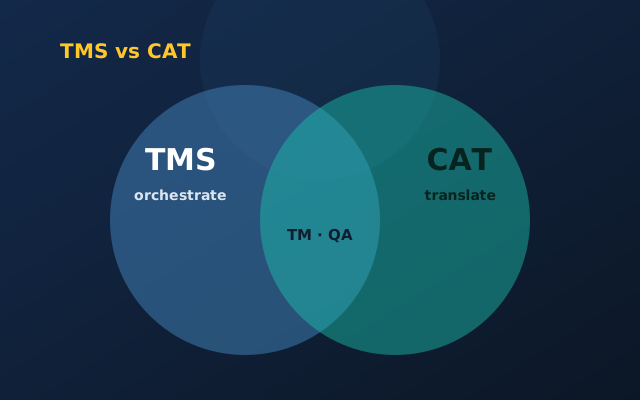
The two terms get used interchangeably, which causes a lot of confused tool-shopping. They overlap, but they answer different questions. The simplest way to remember it: a TMS manages the project; a CAT tool does the translation.
What a CAT tool is for
A CAT (Computer-Assisted Translation) tool is the linguist's workbench. It segments text, surfaces translation-memory matches, runs glossary checks, and lets a translator work efficiently and consistently. Its scope is one person translating one job well.
What a TMS is for
A TMS (Translation Management System) sits one level up. It handles the things a translator shouldn't have to: importing content, splitting it into jobs, assigning people, tracking deadlines and status, managing approvals, handling payments, and pushing finished work back to where it came from. Its scope is many jobs, people and languages moving at once.
Where they overlap
This is the confusing part: most modern TMS platforms include a built-in CAT editor, and most CAT tools include some lightweight project features. So a single product can cover both. The category lines have blurred — what matters is whether the tool does the job you actually have.
A CAT tool makes one translation good. A TMS makes a hundred translations manageable. Most teams eventually need both — often in one product.
Which do you need?
- A handful of files, occasionally, one or two languages? A CAT tool (or a provider who runs one) is plenty. A full TMS would be overhead you don't need yet.
- Regular content, several languages, multiple stakeholders, deadlines that matter? You want a TMS — the orchestration is where your time leaks otherwise.
- Continuously changing product strings? A TMS with repo connectors, so localization keeps pace with development.
The honest answer
Most companies don't buy these tools directly at first — their language provider runs them. You send content and review results; the TMS and CAT live on our side. You only need to own the stack yourself when you've grown enough that managing it in-house pays for itself. Until then, the right question isn't "which tool do I buy", it's "which partner runs a clean one".